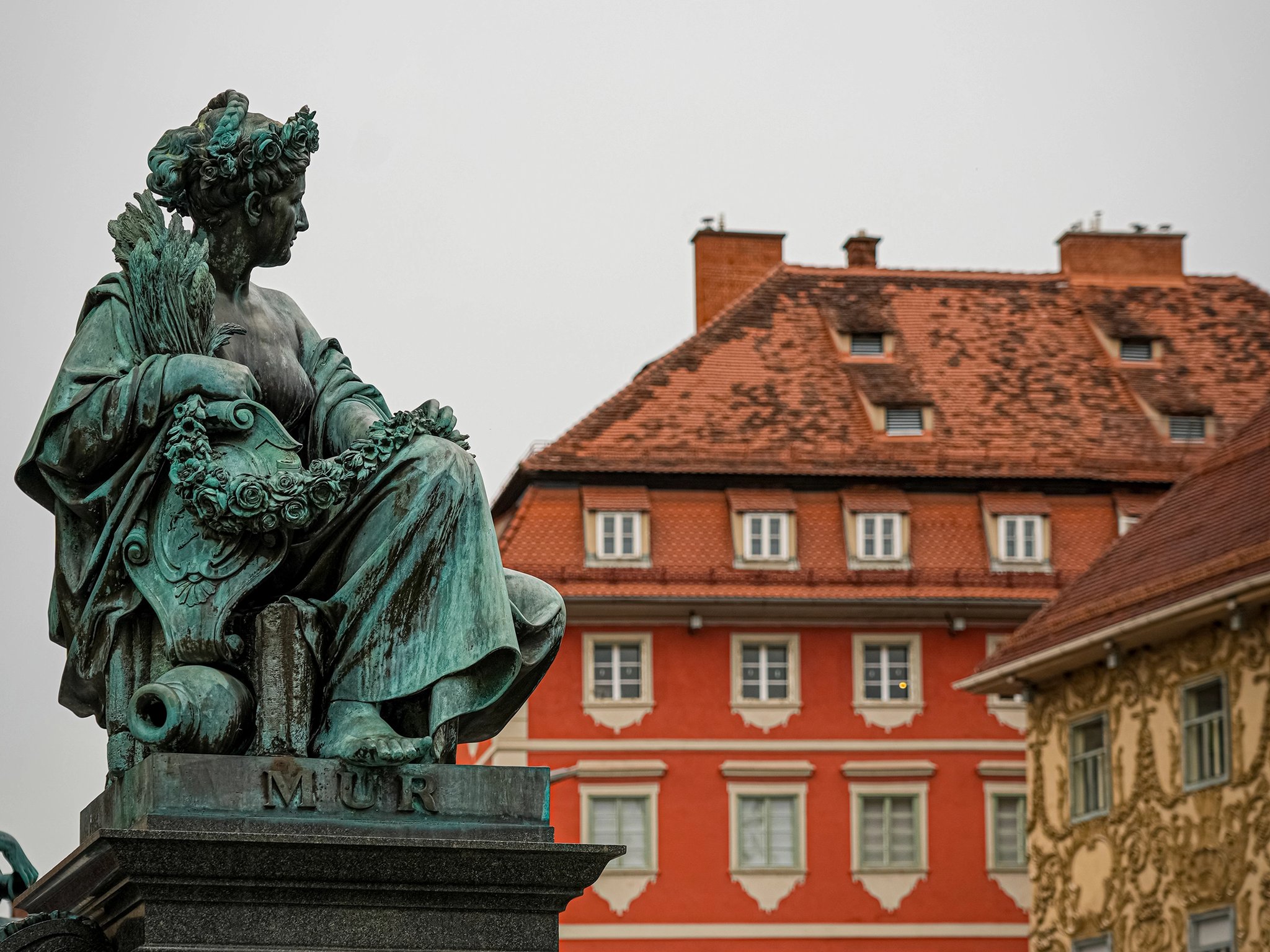

Austria attracts property buyers with its stable economy, breathtaking landscapes, and strong legal protections for homeowners. However, purchasing real estate as a foreigner comes with specific regulations that vary by region and nationality. Understanding these rules is key to making a smooth and successful investment.
Foreigners can buy property in Austria, but the process depends on nationality, residency status, and location. Some regions impose stricter regulations, particularly for non-EU buyers. Below, we outline the key steps, costs, and legal considerations to help you navigate the Austrian property market successfully.
Can Foreigners Buy Property in Austria?
Foreigners can buy property in Austria, but the rules vary depending on nationality, residence status, and property location. Here’s what you need to know:
EU/EEA Citizens: Buying property in Austria is straightforward with no major restrictions.
Non-EU Citizens: Purchase is possible but requires approval from the local authorities in some regions.
Vienna and Tyrol: Some of the strictest regulations, especially for non-residents buying second homes.
Salzburg, Vorarlberg, and Carinthia: Additional approvals are often required.
Tip: Non-EU buyers should check the specific property laws in the desired region to avoid unexpected restrictions.
Step-by-Step Process to Buy Property in Austria
1. Choosing the Right Location
Each region in Austria offers something different. Here’s a quick overview:
Vienna: A cosmopolitan city with high demand for rentals and strong long-term appreciation.
Salzburg & Innsbruck: Popular for ski properties and holiday homes but with stricter ownership regulations.
Graz & Linz: Growing real estate markets with more affordable prices than Vienna.
Lakeside & Alpine Resorts: Stunning locations for vacation homes, but second-home restrictions may apply.
💡 Tip: Use ImmobilienScout24.at, Willhaben.at, or Inserate.net to browse property listings and compare prices across different regions.
2. Finding a Property and Making an Offer
Once you find a property, the first step is to negotiate the price and terms with the seller. This involves discussing not only the asking price but also potential inclusions such as furniture, parking spaces, or minor renovations. Once both parties agree, a preliminary purchase agreement (Kaufanbot) is drafted. This document serves as a binding agreement that outlines the key terms of the purchase, including the total price, payment schedule, and conditions for withdrawal.
At this stage, buyers are typically required to pay a deposit of around 10% of the total property price. This sum is usually held in an escrow account (Treuhandkonto) managed by a notary or lawyer to ensure that the funds are secure until the transaction is finalized. If the buyer withdraws without a valid reason specified in the contract, the deposit may be forfeited to the seller. However, if the sale falls through due to the seller's actions or legal complications, the deposit is refunded.
Tip: Always review the Kaufanbot carefully before signing. Ensure that it includes clauses allowing a refund if financing approval is delayed or if the required permits for non-EU buyers are not granted.
3. Approval for Non-EU Buyers
For non-EU/EEA buyers, purchasing property in Austria requires an additional step: obtaining approval from the local land commission (Grundverkehrsbehörde). This approval ensures that the purchase complies with Austrian real estate regulations and that the buyer meets specific criteria.
One key factor in approval is the declared purpose of the property—whether it will be used for personal residence or rental purposes. Some regions, particularly Vienna and Tyrol, have stricter regulations regarding properties intended for investment or short-term rentals. Buyers must clearly indicate how they plan to use the property, as rental properties may be subject to additional taxes and legal requirements.
The requirements and processing time vary by federal state (Bundesland). In some regions, such as Vienna and Tyrol, the process is particularly stringent, often requiring buyers to prove that the property will be used for residential purposes rather than speculation. In contrast, other areas, such as Styria or Lower Austria, may have fewer restrictions.
The approval process generally includes:
Submitting an application to the relevant land transfer authority.
Providing proof of financial means to complete the purchase.
Justifying the intended use of the property.
Demonstrating compliance with local zoning laws.
Approval can take anywhere from a few weeks to several months, depending on the complexity of the case and the specific regional laws. If approval is denied, the sale cannot proceed, and any deposit paid must be refunded unless otherwise stated in the Kaufanbot.
Tip: Before making an offer, research the specific requirements of the region where you intend to buy. Some federal states may have restrictions on second-home purchases or require special permits for foreign buyers.
4. Signing the Purchase Contract (Kaufvertrag)
The final purchase contract (Kaufvertrag) is legally binding and must be signed in the presence of a notary (Notar). This ensures all property ownership rights are properly transferred.
5. Registering the Property
After signing, the property transfer is recorded in the Austrian Land Registry (Grundbuch). This step is crucial to securing legal ownership.
6. Completing the Payment and Finalizing the Purchase
Payments are usually handled through a trust account (Treuhandkonto) held by a notary or lawyer to ensure a secure transaction. Once payment is complete, ownership is officially transferred to you.
Tip: Even if you’re handling the process yourself, consulting a notary for legal paperwork is required.
Taxes and Costs When Buying Property in Austria
1. Upfront Costs
Expect to pay an additional 7-10% of the property price in fees, which include:
Property Transfer Tax (Grunderwerbsteuer): 3.5%
Land Registry Fee: 1.1%
Notary Fees: 1.5%-3% + VAT
Real Estate Agent Commission: Usually 3% + VAT
2. Annual Taxes
The taxation of your property in Austria depends on whether it is used for personal residence or rental income. If you plan to rent out the property, additional taxes and reporting requirements may apply.
Property Tax (Grundsteuer): Based on the cadastral value, generally low.
Rental Income Tax: 19% for non-EU residents renting out property. Rental income must be declared, and deductions for property expenses may apply.
Tourism Tax: Required in certain regions for properties rented short-term.
Net Wealth Tax: Only applicable for high-value properties.
Tip: When purchasing a property, clearly specify whether it is intended for personal use or rental to ensure compliance with Austrian tax laws and avoid unexpected financial obligations.
Mortgage Options for Foreign Buyers
Austrian banks offer mortgages to foreign buyers, but the requirements are stricter for non-EU citizens.
Loan-to-Value (LTV) Ratio: Up to 60%-70% for foreigners.
Interest Rates (2025): Typically 3%-5%.
Required Documents: Proof of income, tax returns, and credit history.
Approval Time: Can take several weeks for non-residents.
Tip: A local Austrian bank account can improve mortgage approval chances.
Can You Rent Out Your Property in Austria?
Yes, but with restrictions:
Long-Term Rentals: Allowed but governed by strict tenant rights laws.
Short-Term Rentals (e.g., Airbnb): Heavily regulated, especially in Vienna and Tyrol.
Tourism Tax: Applies to vacation rentals.
Tip: If you want to rent out your property, research the local regulations in advance.
Pros and Cons of Buying Property in Austria as a Foreigner
Pros:
Stable and appreciating real estate market.
High rental demand in major cities.
Secure property ownership laws.
No property speculation tax if holding for more than 10 years.
Cons:
Complex regulations for non-EU buyers.
High transaction costs (up to 10%).
Strict rental laws, especially for short-term leasing.
Final Thoughts: Is Buying Property in Austria Worth It?
Austria offers a stable and secure property market, but non-EU buyers should be aware of regional restrictions and additional approvals. If you’re looking for a long-term investment or a home in one of Europe’s most livable countries, Austria is a great choice.
Want expert insights on Austria’s real estate market? Explore our country analysis for property trends, city comparisons, and average prices across regions!