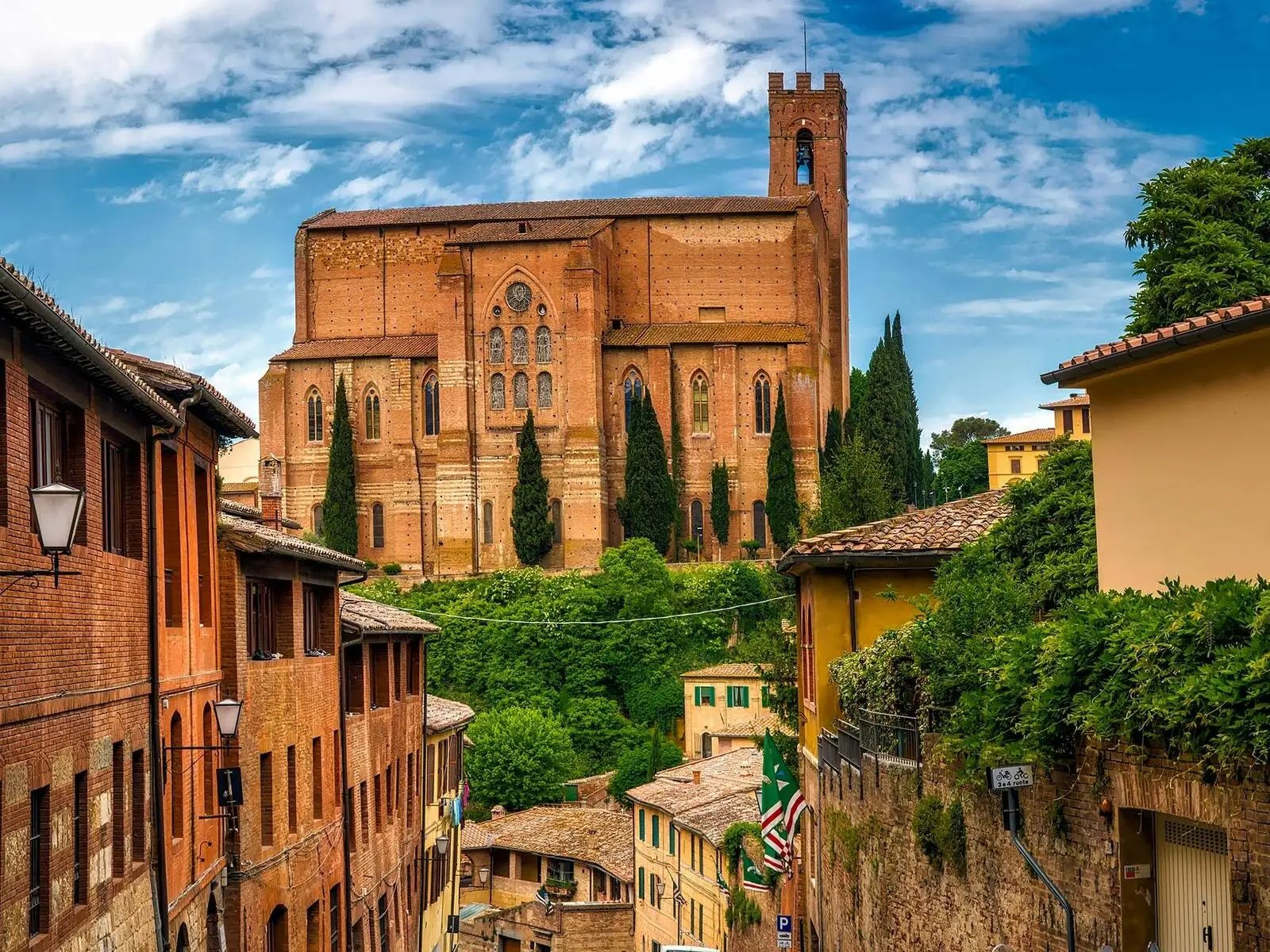

Depopulation is reshaping Europe. While cities grow, many small towns face shrinking populations, aging residents, and abandoned homes. To fight decline, governments and local councils are turning to relocation incentives. In 2025, dozens of European towns will literally pay you to move there - not just with symbolic gestures, but with real money, grants, and housing subsidies.
These get-paid-to-move programs in Europe appeal to expats, digital nomads, and international investors. Instead of buying a pricey apartment in Madrid or Milan, you can claim thousands of euros in financial aid by moving to a quiet village, renovating a property, or starting a business. Below we explore the most notable schemes across Italy, Spain, Portugal, Greece, and beyond - including who qualifies, how much money is available, and why these places are betting their future on newcomers.
Why Do Towns Pay You to Move to Europe?
The logic is simple: it’s cheaper to attract new residents than to watch entire villages disappear. Europe’s rural crisis means schools close, businesses vanish, and cultural heritage is lost. By paying newcomers, local authorities hope to boost population, stimulate local economies, and revive property markets.
This trend has accelerated as countries phase out “golden visas” (Spain ended its property-based visa in 2025). Instead, relocation grants, real estate subsidies, and rural housing incentives are becoming the new way to attract foreign talent and families.
For those considering residency options, see our guide on top countries in Europe to get residency by buying property in 2025.
Italy: The Leader in Cash Incentives
Italy remains the frontrunner with multiple programs across its regions. Key offers include:
Calabria’s Active Residency Income - up to €28,000 over three years for people under 40 who move to small villages (<2,000 residents). Applicants must start a business or take a local job.
Sardinia’s New Resident Grant - €15,000 per household to buy or renovate property in villages under 3,000 people. It covers up to 50% of costs and requires permanent residency.
Trentino’s Alpine Property Grant - up to €100,000 (€20k for purchase, €80k for renovations) if you buy and live in a designated mountain village for at least 10 years. Open to both Italians and foreigners (For more details, see the article How to Get Up to €100,000 to Buy and Renovate Property in Northern Italy).
It’s worth noting that aside from these cash incentives, Italy also runs the famous “€1 house” program in regions like Sicily, Calabria, and Tuscany. Under that scheme, towns sell dilapidated houses for €1 to attract new owners who will renovate them. The €1 house program doesn’t pay you, but it dramatically lowers the entry cost for property investment - leaving you more budget for renovations (and indeed, a renovation within 1-3 years is usually mandatory). Many savvy investors pair these ultra-cheap purchases with local tax bonuses or grants if available. For example, some buyers of €1 houses in Sicily later benefited from regional tax credits for restoration. In any case, Italy’s message is clear: bring your money and energy to our charming but shrinking towns, and we’ll reward you with housing subsidies, grants, and ultra-low-cost property. It’s a compelling pitch for anyone looking at European property investment with a side of la dolce vita.
Spain: Remote Worker Programs and “Welcoming Villages”
Spain’s “España vacía” (Empty Spain) problem led to nationwide relocation initiatives.
Extremadura’s Ambroz Valley – up to €15,000 per applicant for remote professionals who commit to stay two years. Bonuses apply for families, women, and younger workers.
Ponga (Asturias) – €3,000 per new resident plus another €3,000 for each child born, with a five-year residency commitment (only for British citizenship).
Rubiá (Galicia) – monthly stipends of around €150 for families to increase school enrollments.
To understand how these incentives align with property affordability, see our guide on how to save money buying property in Spain.
Spain also supports newcomers with favorable taxes for remote workers (24% flat for 5 years) and its digital nomad visa, making it easier to combine legal residency with cash relocation perks.
Overall, Spain’s strategy is two-pronged: financial incentives and simplified visas to draw talent into the countryside. It’s telling that as Spain shuts down the old “buy a house, get a visa” model of golden visas, it’s ramping up offers that pay you when you move to a small town and invest your time (and money) there. The emphasis is on repopulating villages and fostering sustainable development. For expats or real estate investors, this means there are genuine deals to be had. Imagine buying a farmhouse in a peaceful Spanish valley - at a fraction of coastal city prices - and receiving a grant that covers part of your costs. It’s a recipe for strong upside: not only do you acquire property, but the local authorities are essentially partners in your investment. And speaking of property prices, it’s worth noting that regions like Extremadura, Castilla-La Mancha, and parts of inland Andalusia remain some of the cheapest property markets in Europe, with homes often under €100,000. There’s potential for appreciation in the long run, especially if these areas succeed in attracting new economic activity. Real estate investors who act as pioneers in these “welcoming villages” might see both immediate subsidy benefits and long-term value growth as the areas develop.
Portugal: Nationwide Relocation Subsidies
Portugal may not offer six-figure grants, but it has a broad and accessible national scheme:
Emprego Interior Mais Program – up to €4,827 per household for anyone moving to the interior. The basic financial support for those moving inland is 2633 euros (+ 20% for each family member). Available to employees, entrepreneurs, remote workers, and even foreigners with legal residence. Includes family bonuses and relocation expense coverage.
The program already supported thousands of applicants since 2020. Property prices in inland Portugal (Centro, Alentejo, Northern mountains) are among the lowest in Western Europe, meaning a €4k subsidy can cover legal fees, taxes, or part of a renovation.
Greece: Island Stipends and Tax Breaks
Greece doesn’t have many cash programs, but one island stands out:
Antikythera Island – families receive €500 per month for three years (€18,000 total), free housing if they settle on the island full-time. Priority is for young families with children.
Beyond this, Greece offers tax incentives: 50% income tax reduction for foreign professionals (7 years) and a flat 7% tax rate for foreign pensioners.
Other European Incentives
Ireland (Offshore Islands) – up to €84,000 renovation grants for those buying and restoring vacant homes on Atlantic islands.
Switzerland (Albinen, Valais) – approx. CHF 25,000 per adult and CHF 10,000 per child for families under 45 who commit to live in Albinen for 10+ years and invest at least CHF 200,000 in property.
Monaco – not a grant, but 0% income tax remains one of the strongest “financial incentives” in Europe.
For families considering a balance between lifestyle, schooling, and property, we recommend checking our article on the best countries to buy property in Europe if you have a family.
Comparison Table of Relocation Incentives (2025)
<table> <tbody> <tr class="blue-row" > <td><strong>Country / Region</strong></td> <td><strong>What’s Offered</strong></td> <td><strong>Main Conditions</strong></td> </tr> <td>Italy - Calabria</td> <td>€28,000 relocation income</td> <td>Under 40, start a business/job</td> </tr> <td>Spain - Ponga</td> <td>€3,000 per resident + €3,000 per child</td> <td>Live 5 years in village</td> </tr> <td>Portugal - Interior</td> <td>Up to €4,827 subsidy</td> <td>Relocate for work or remote job</td> </tr> <td>Greece - Antikythera</td> <td>€18,000 stipend + housing</td> <td>Families, full-time residency</td> </tr> <td>Ireland - Islands</td> <td>Up to €84,000 renovation grant</td> <td>Buy & restore vacant home</td> </tr> </tr> <td>Switzerland - Albinen</td> <td>CHF 25k per adult, CHF 10k per child</td> <td>Under 45, invest CHF 200k property</td> </tbody> </table> </section>Conclusions
In 2025, relocation incentives in Europe are no longer rare experiments. They are mainstream tools for reviving rural towns, attracting remote workers, and boosting real estate investment opportunities.
Italy offers the most generous mix of housing grants and relocation income.
Spain combines cash support with tax breaks and digital nomad visas.
Portugal provides accessible nationwide subsidies for anyone moving inland.
Greece experiments with stipends for island life.
Ireland and Switzerland offer high-value renovation or settlement bonuses.
For investors, expats, and digital nomads, these programs reduce the cost of buying property and starting a new life in Europe. The key is choosing a place where the lifestyle matches your goals.
For deeper insights into property prices, yields, and expat rules by country, visit the Countries section of MonoEstate.