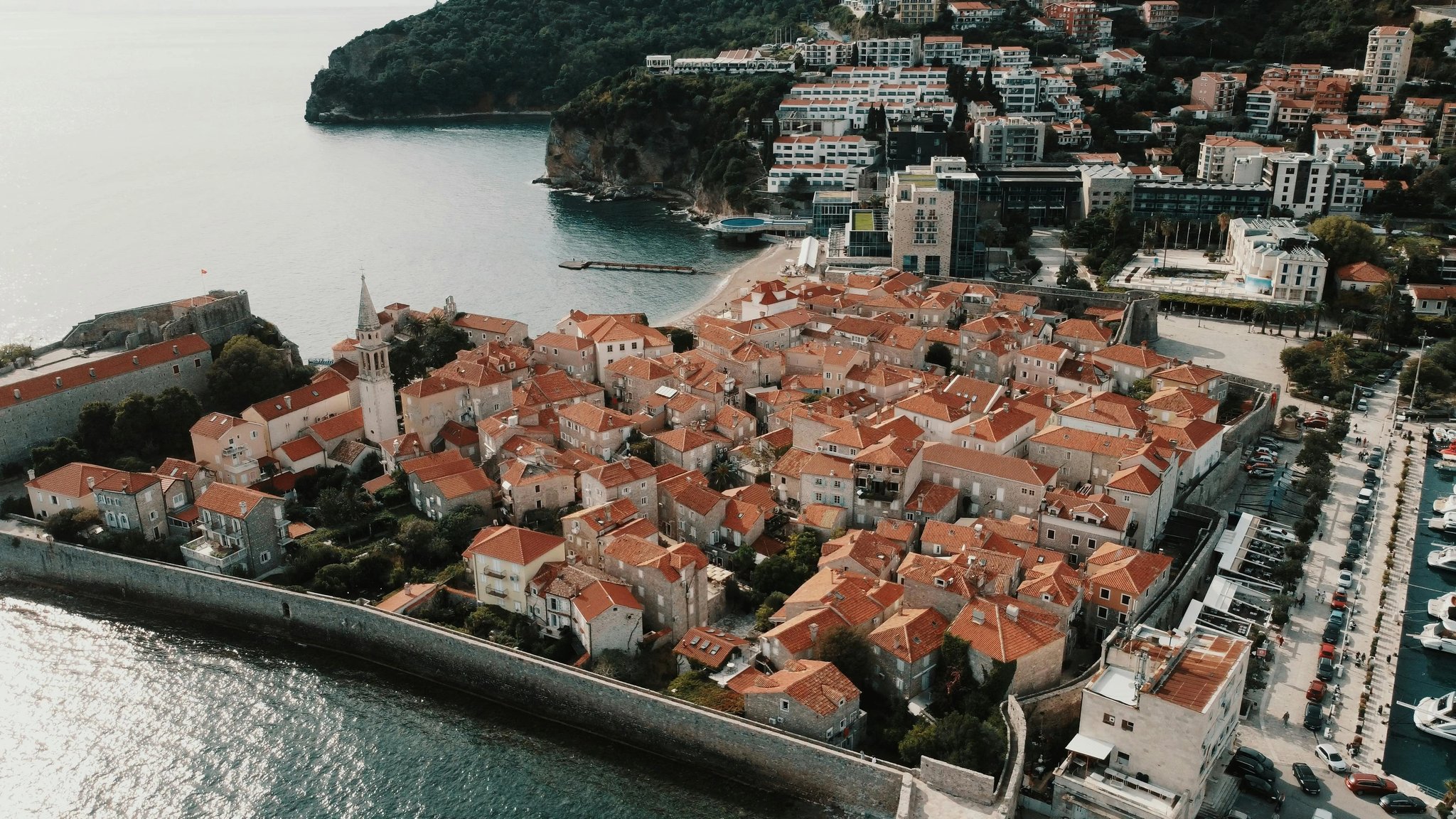

Montenegro has officially transitioned into a new era of migration policy as of January 2026. The national parliament recently finalized amendments to the Law on Foreigners, introducing a specific financial barrier for those seeking a temporary residence permit through real estate ownership. For the past decade, this Balkan nation was known for having one of the most accessible residency programs in Europe, allowing foreigners to obtain legal status by purchasing any habitable property regardless of its market value. That period has concluded with the implementation of a 150,000 euro minimum investment requirement, a move designed to align the country with European Union standards and stabilize the local housing market.
This legislative shift targets the rapidly growing real estate investment sector, particularly in coastal regions like Budva, Tivat, and Kotor. By setting a definitive price floor, the government aims to filter the influx of residents and ensure that property buyers contribute significantly to the national economy. The new regulations provide a clearer framework for international investors who view Montenegro as a strategic location for a second home or a Mediterranean base. Understanding the nuances of these changes is essential for anyone looking to buy property in Europe while securing legal residency in a candidate country for EU membership.
How to Get Montenegro Residency by Property Ownership in 2026
The core of the updated Law on Foreigners lies in the verification of the investment amount. It is no longer sufficient to simply state a price in a sales contract. The Ministry of Interior and the Ministry of Finance now rely on the official valuation provided by the Tax Administration. This ensures that the property prices reflect the actual market value and prevents artificial price inflation or under-the-table transactions intended solely for immigration purposes. Investors must ensure that the tax assessment of their chosen apartment or house meets the 150,000 euro mark to qualify for the residence permit, officially known as privremeni boravak.
Furthermore, the ownership structure has become a critical focal point for legal compliance. Under the 2026 regulations, a foreign citizen must hold at least a 50 percent ownership share in the real estate to be eligible for residency. If a property is purchased jointly, the individual share of each applicant must satisfy the financial criteria. This change prevents the previous practice where multiple individuals could claim residency based on a single, low-value asset. The documentation must clearly reflect the investor's equity and the tax-verified valuation to ensure a smooth application process for those looking to buy apartment in Montenegro for 150k euro.
Impact on Montenegro Real Estate Market and Investment ROI
The introduction of the 150,000 euro limit is expected to shift the focus of the Montenegro real estate market toward the mid-to-high-end segment. While the entry-level market for cheap rural houses may see a decline in foreign demand, the luxury sector and high-quality new developments are likely to see increased interest. Professional investors are now analyzing the ROI real estate potential with a more disciplined approach. With the residence permit now tied to a higher investment, the quality of construction and the potential for capital appreciation have become more important than ever for those seeking a long-term foothold in the region.
Rental yield remains a strong motivator for international buyers, especially in the coastal areas where tourism continues to break records. The 2026 law does not restrict the ability of owners to lease their properties, meaning a 150,000 euro investment can serve the dual purpose of providing a residency permit and generating passive income. When calculating the total cost of acquisition, buyers must also factor in property taxes in Europe, which in Montenegro remain relatively competitive compared to neighboring Croatia or Italy. These fiscal advantages, combined with the new residency certainties, maintain Montenegro’s status as a top-tier destination for strategic asset allocation and European property investment.
Comparison of Montenegro Residency Rules Before and After 2026
The following data provides a structured comparison of the residency landscape before and after the 2026 legislative update. The table highlights the shift from an unrestricted value system to a regulated financial threshold, reflecting the country's commitment to high-standard migration protocols.
<table> <tbody> <tr class="blue-row" > <td><strong>Residency Criterion</strong></td> <td><strong>Status Prior to January 2026</strong></td> <td><strong>New Rules as of January 17, 2026</strong></td> </tr> <tr> <td>Minimum Property Value</td> <td>No minimum limit established</td> <td>150,000 euro minimum</td> </tr> <tr> <td>Valuation Basis</td> <td>Purchase contract price</td> <td>Official Tax Administration assessment</td> </tr> <tr> <td>Ownership Share</td> <td>Any percentage of ownership</td> <td>Minimum 50 percent share required</td> </tr> <tr> <td>Renewal Rights</td> <td>Standard annual renewal</td> <td>Grandfathered for existing permit holders</td> </tr> <tr> <td>Property Type</td> <td>Residential or commercial</td> <td>Residential or commercial</td> </tr> </tbody> </table>The data presented above confirms that the Montenegrin government has prioritized quality over quantity. For individuals who already held a residence permit prior to the implementation date, the law offers a protection clause. These residents can continue to renew their status under the original conditions, provided they maintain ownership of the asset. However, for all new market entrants, the 150,000 euro rule is an absolute requirement that must be met at the time of the initial application. This distinction is crucial for portfolio management and long-term residency planning in the Balkans.
Strategic Benefits of Buying Real Estate in Montenegro Now
While a higher investment threshold may seem like a barrier, it actually provides a more secure environment for foreign property owners. By codifying these rules, Montenegro is reducing the legal ambiguity that often plagues emerging markets. Investors can now move forward with greater confidence, knowing exactly what is required to secure their legal status. This transparency is a key factor in attracting institutional capital and high-net-worth individuals who require stability and clear exit strategies. The 2026 law effectively professionalizes the residency process, making it more predictable and less susceptible to administrative discretion.
In the broader context of European real estate, Montenegro remains an attractive outlier. Even with the new 150,000 euro limit, it is significantly more affordable than the Golden Visa programs of many EU member states, which often require investments upwards of 250,000 or 500,000 euros. As the country moves closer to EU accession, the value of a Montenegrin residence permit is expected to rise. Buyers entering the market now at the 150,000 euro level are not just purchasing property; they are securing a position in a country that is rapidly integrating into the European economic and political landscape.