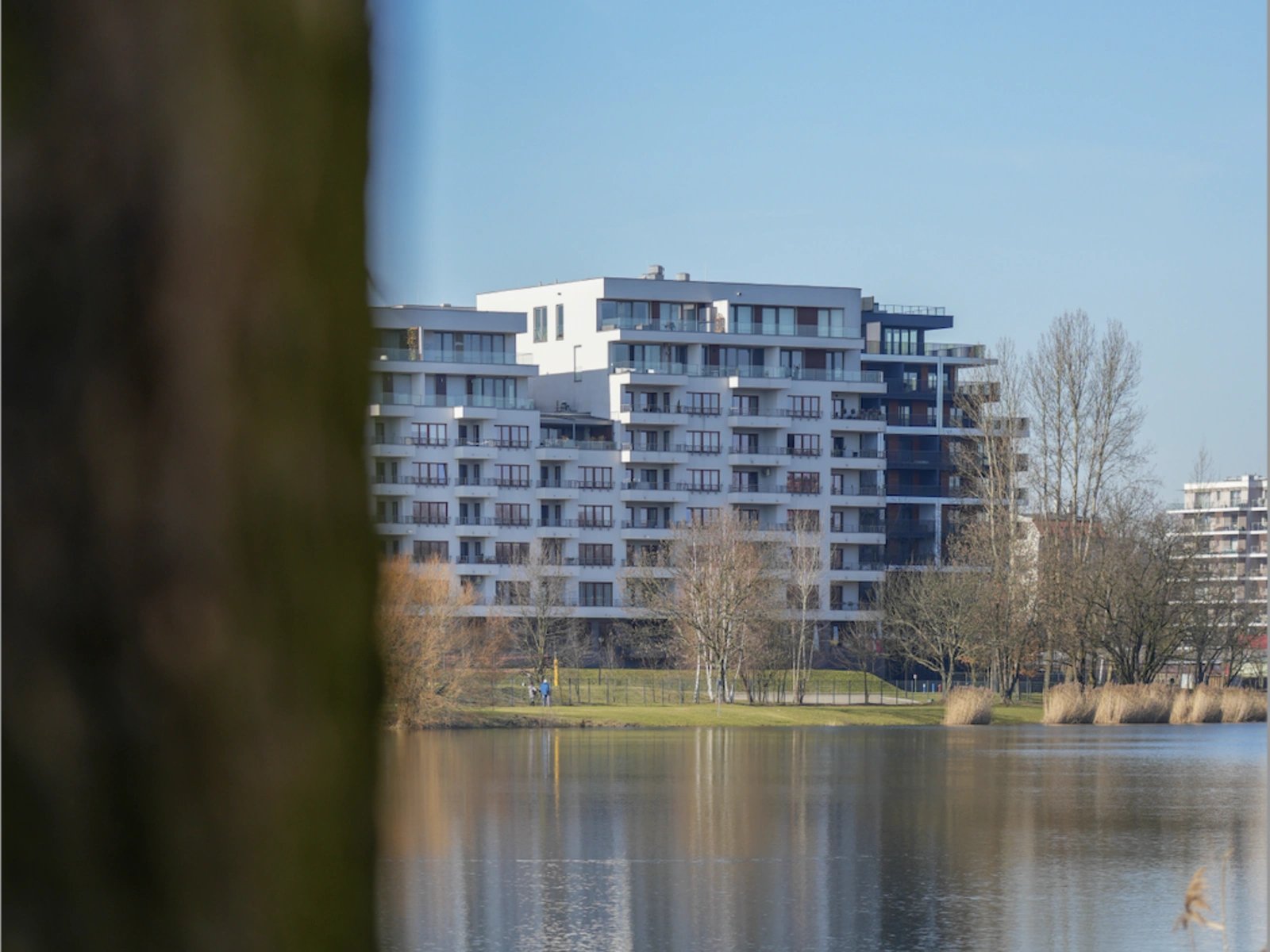

The landscape of international relocation has evolved, making a budget of 100,000 euro a strategic threshold for those seeking a foothold in the European Union. While central districts in Paris or Amsterdam are no longer accessible at this price, several high-growth European hubs offer the dual benefit of affordable homeownership and a clear residency path. In 2026, the most effective strategy to buy property in Europe involves targeting secondary cities where property prices align with favorable migration policies for digital nomads and investors.
A deep research into current market trends shows that a 100,000 euro investment serves as a financial stabilizer for relocation. Most EU immigration offices require a proof of accommodation to approve long-term stay permits, and owning a residential asset simplifies this legal hurdle significantly. For many, this budget represents a total move, covering the entry price of a home and the initial costs of securing European residency through real estate markets that remain undervalued relative to Western European averages.
Spanish Secondary Markets and the Digital Nomad Advantage
Spain remains a primary destination for relocation, but the focus has shifted to the Costa Blanca and Andalusia. In cities like Alicante or the suburbs of Valencia, a 100,000 euro budget can secure a two-bedroom apartment. This is particularly relevant for applicants of the Spanish Digital Nomad Visa, which has seen a surge in last years due to its attractive tax benefits. Under the current Beckham Law provisions, qualified foreigners can apply for a flat 24% tax rate on income up to 600,000 euro.
The real estate investment potential in these regions is supported by a steady annual capital appreciation of 4.5-5.8%. While property prices remain attractive, buyers must account for the fact that property taxes in Europe vary significantly by jurisdiction. In Spain, the property transfer tax (ITP) is set by autonomous communities, meaning rates are not uniform across the country. While some regions offer lower rates for specific buyers, other areas maintain higher transaction costs that can reach up to 10-11% of the purchase price. For those looking to buy property in Spain, selecting a secondary market in a region with more favorable tax scales is a vital step in optimizing the initial investment.
Poland Emerging Hubs for Business and Tech Migration
Poland has become a resilient center for European real estate investment, with cities like Lodz and Katowice offering exceptional value. While Warsaw prices have escalated, Lodz remains a hub where 100,000 euro can purchase a modern apartment in a revitalized district. Professionals seeking to buy property in Poland find that well-located residential units in these developing urban centers can reach a rental yield of up to 6%. This performance is driven by a growing population of young professionals and students who prioritize proximity to renovated city centers and infrastructure hubs.
The migration process in Poland is highly integrated with business activity. Owning a property provides a solid foundation for obtaining a temporary residence permit (Karta Pobytu) through employment or business formation. However, applicants must account for significant administrative backlogs, as waiting times for a residence decision vary by voivodeship and can range from six months to four years. Polish real estate market trends for 2026 indicate that secondary cities are outperforming capitals in terms of growth percentage. This makes the region an ideal choice for migrants who want their capital to stay liquid while securing their legal status on the continent.
Bulgaria as the Cheapest Property in Europe Gateway
Bulgaria offers the most accessible entry point for foreigners seeking the cheapest property in Europe within the EU framework. In seaside hubs like Varna or Plovdiv, a 100,000 euro budget allows for the purchase of a seaside apartment or even a small villa. Bulgaria remains a premier destination for those seeking a simplified residency path without a massive capital outlay. For non-EU entrepreneurs, the Trade Representative Office (TRO) remains a stable route, while retirees can take advantage of the simplified Pensioner Visa program. Furthermore, the newly launched Bulgaria Digital Nomad Visa in 2026 provides a perfect framework for remote professionals. By purchasing a property for 100,000 euro, buyers not only secure a high-quality asset but also fulfill the mandatory accommodation requirement.
The fiscal environment in Bulgaria is one of the most competitive in the world, featuring a 10% flat tax on personal and corporate income. For digital nomads and retirees, the Bulgarian real estate market provides a high ROI real estate profile due to low maintenance costs and rising tourism numbers. In 2026, Varna continues to show strong property prices growth, making it a safe harbor for those looking to invest 100,000 euro in a tangible EU asset.
Comparative Data for European Migration Hubs 2026
The following data provides a verified snapshot of the financial and legal landscape for property buyers. These figures reflect market averages for secondary city centers and the most common migration pathways available in early 2026.
2026 Property and Migration Metrics
<table> <tbody> <tr class="blue-row" > <td><strong>City and Country</strong></td> <td><strong>Avg Price per m2</strong></td> <td><strong>Expected Rental Yield</strong></td> <td><strong>Main Residency Pathway</strong></td> </tr> <tr> <td>Alicante, Spain</td> <td>1,900 EUR</td> <td>5.2%</td> <td>Spanish Digital Nomad Visa</td> </tr> <tr> <td>Lodz, Poland</td> <td>1,800 EUR</td> <td>6.1%</td> <td>Business/Work Permit</td> </tr> <tr> <td>Varna, Bulgaria</td> <td>1,200 EUR</td> <td>5.4%</td> <td>Trade Representative Office</td> </tr> <tr> <td>Catania, Italy</td> <td>1,300 EUR</td> <td>4.9%</td> <td>Elective Residency Visa</td> </tr> <tr> <td>Athens, Greece</td> <td>2,400 EUR</td> <td>4.6%</td> <td>Financially Independent Person</td> </tr> </tbody> </table>This comparative table shows that while Athens and Alicante offer lifestyle value, cities like Lodz provide superior rental yield for investors. It is important to account for property taxes in Europe, which in Spain can reach 10-13% (ITP), while in Bulgaria they remain significantly lower at 3%. These hidden costs are vital when calculating the total real estate investment required for a 100,000 euro move.
Southern Italy and the Appeal of Passive Income Migration
Italy’s southern regions, specifically Sicily and Calabria, are among the most attractive affordable real estate markets in Europe for 2026. In cities like Palermo or Catania, a budget of 100,000 euro can buy a historic apartment with high ceilings and architectural character. These regions are perfectly suited for the Italy Elective Residency Visa (Residenza Elettiva), which requires applicants to demonstrate a passive income of approximately 31,000 euro per year without local employment.
The Italian government has maintained various tax incentives for foreigners who move to southern municipalities, sometimes offering a 7% flat tax for a set period. Buying property in Italy at this price point requires careful inspection of renovation needs, but the potential for capital appreciation is high as more remote workers discover the Mediterranean lifestyle. Italy remains a top choice for those seeking a permanent residency foundation in a country with world-class healthcare and culture.
Greece Real Estate Options for Global Citizens
Greece has strictly updated its residency framework under Law 4251/2014, significantly raising the Golden Visa investment thresholds to 400,000-800,000 euro. However, this does not close the door for those with a 100,000 euro budget. While this amount no qualifies for the investor visa, it is a sufficient capital to buy a high-quality property in the suburbs of Athens or on islands like Crete to satisfy the mandatory proof of accommodation. This allows buyers to successfully apply for the Financially Independent Person (FIP) visa or the Greek Digital Nomad Visa, both of which offer a stable residency path without the need for a massive real estate outlay.
The Greek real estate market has seen a 10% increase in demand from international buyers in the last year. The combination of high seasonal rental yield and low crime ratesmakes Greece a secure choice for families. For buyers in 2026, focusing on property in Greece near infrastructure hubs is the best way to ensure that a 100,000 euro investment remains a liquid and profitable asset while satisfying the proof of accommodation for migration.
Strategic Conclusions for Relocation in 2026
The data analyzed in this deep research confirms that moving to Europe with 100,000 euro is a realistic goal when targeting the right secondary markets. By aligning property prices with specific residency programs like the Spanish Digital Nomad Visa or the Polish work permit, migrants can build a secure future.
As we move through 2026, the value of owning a residential asset as a basis for European residency continues to grow. Proof of accommodation remains a cornerstone of the migration process, and a debt-free home provides the ultimate financial security. By focusing on cities that offer both capital appreciation and a clear residency path, international buyers can turn a 100,000 euro budget into a lifelong foundation on the European continent.